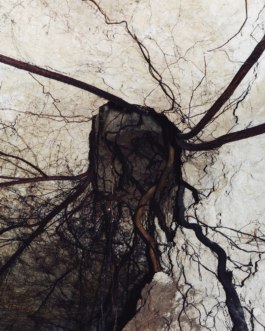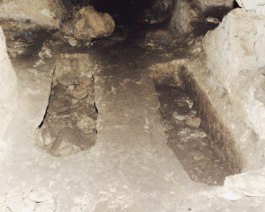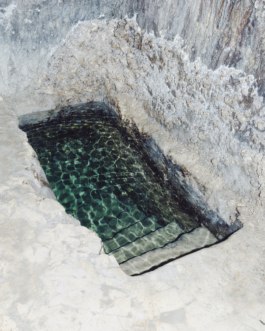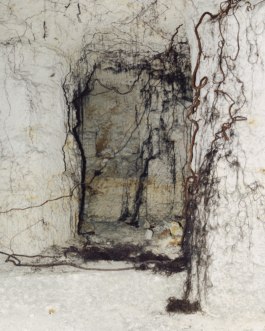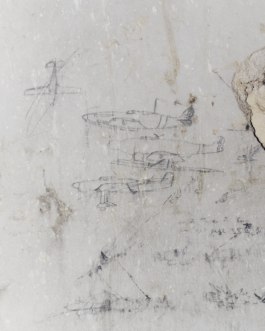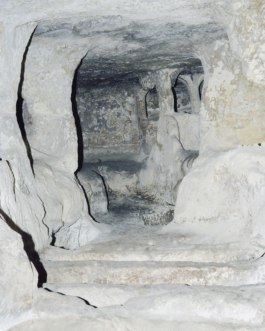
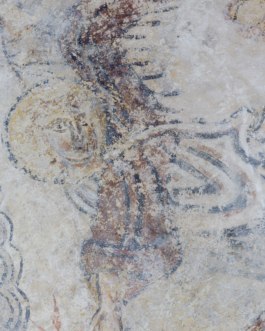
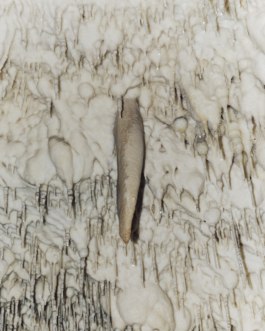


Anyone who descends into the darkness leaves a mark. It is a gesture as old as humanity itself: the hand of the cave painters, and that of those who, in an air-raid shelter, sketched in pencil the bombers they were hiding from. The need to descend is also ancient. Gilgamesh, ‘he who sees into the depths’, enters the darkness in search of eternal life; Orpheus descends to retrieve Eurydice; Persephone is dragged there and returns every spring; Empedocles threw himself into the crater of Mount Etna; and much later, Jules Verne imagines a path to the centre of the Earth. It is the impulse, which Will Hunt captures so well, to want to slip into a hole, to seek a parallel reality underground. This body of work follows him, not into the abyss but into the subsoil that runs just beneath everyday life: calcarenite caves and volcanic cones, rock-hewn churches and catacombs, ritual baths, tanneries, air-raid shelters. Very different places, in fragments, because of a subterranean landscape, one can never see more than a piece at a time.
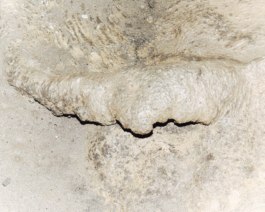
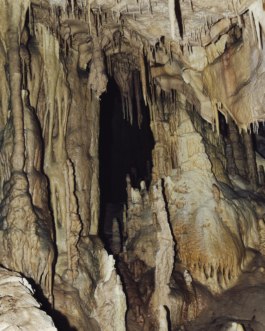
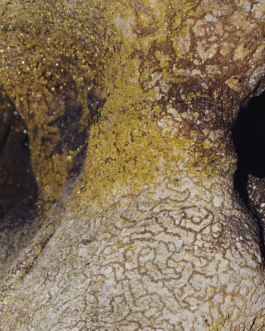
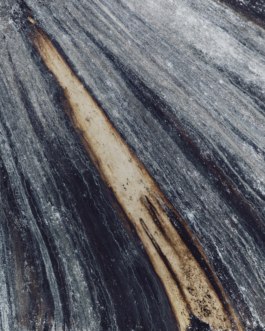
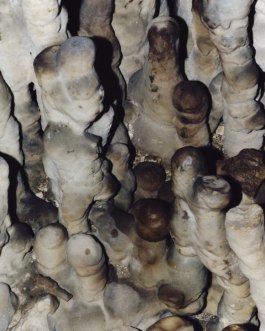
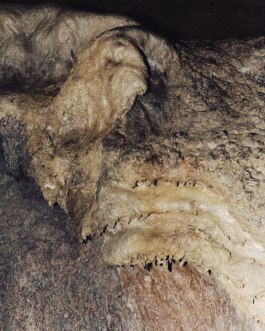
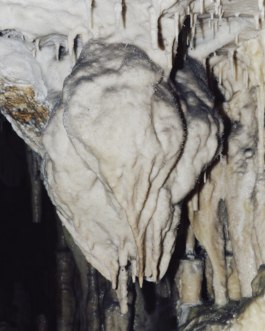
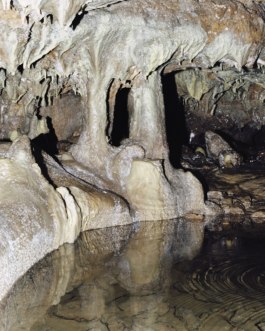
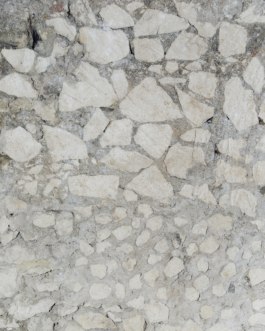
The first thing the underground offers is a sense of disorientation. It is the most alien landscape on the planet: another world where the eye loses its sense of scale and can no longer tell whether it is looking at a continent, the interior of a body, a mucous membrane or a dried-up seabed. The concretions drip like wax, the calcarenite ripples into furrows that resemble a language never learnt, a wall encrusted with gold and mould until it resembles a painting. Here, measurable space gives way to the lived space of which Otto Friedrich Bollnow wrote, made up of proximity, thresholds and darkness. And yet this strangeness belongs to us: it is the familiar that becomes unknown to us once more. The very same stone room is both cradle and tomb.
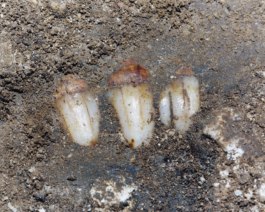
It is also a space of subtraction: a cave is the negative of a vanished river, a pit is the mould of an absent body, and where the chisel that carved out a tunnel or an altar has passed, the stone bears the marks of its blows. The underworld, observes Robert Macfarlane, has always performed three tasks: to safeguard what we love, to yield visions and riches, and to make what we fear disappear. The refuge, the oracle and the tomb coexist in the same darkness.
Why, then, do we descend into a place that the body rejects? Underground, we are ill-equipped: blind, prone to claustrophobia, strangers in a darkness for which we are not made. And yet something older than fear draws us downwards: the curiosity to know, to uncover what remains hidden, and at the same time a primitive, almost animal sense of protection, as if the earth, instead of swallowing us up, were welcoming us into a den. Every descent is thus a dual act, of disorientation and of return. And time, which races by on the surface, seems to stand still down there.
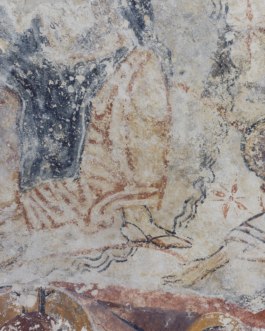
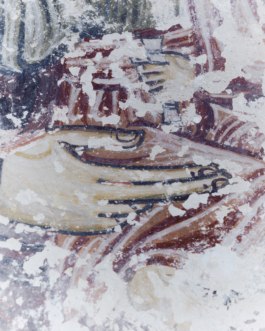
It is no surprise that the sacred originated right here. Before the gods of the heavens come those of the earth, and oracles speak from below: one descends to discover what cannot be known in the light. The cave church, with its Madonna slowly being reclaimed by the rock, is one of the many forms of a faith that darkness has always harboured. And the stone does not merely point to the sacred: it seems to contain it.
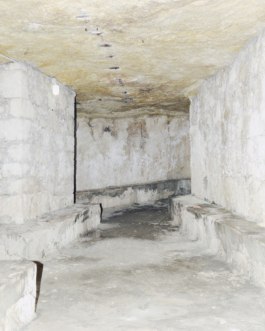
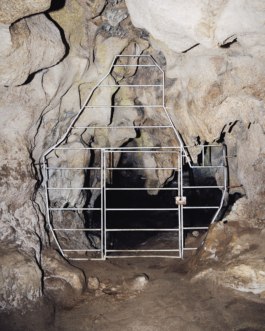
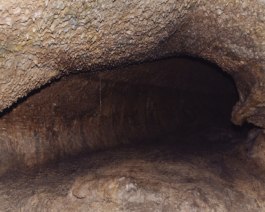
And yet it is our own world, just a little further down. A volcanic cave is nothing more than a wave of lava halted mid-flow; a calcarenite quarry lies beneath a road travelled a thousand times; a necropolis slumbers within the side of a cliff; a wartime shelter has been dug out, in Ortigia, right beneath a church. The project, still ongoing, begins in Sicily and will traverse the invisible Italy that continues to exist just a few metres beneath our feet, where our memories, myths and fears have their roots.
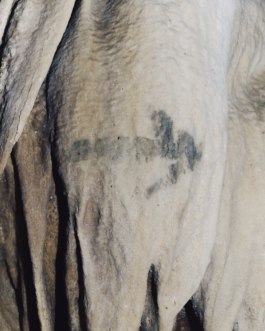


Chiunque scenda nell’oscurità lascia un segno. È un gesto antico quanto l’umanità stessa: la mano dei pittori delle caverne e quella di chi, in un rifugio antiaereo, disegnava a matita i bombardieri dai quali si nascondeva. Anche il bisogno di scendere è antico. Gilgamesh, «colui che vede nelle profondità », entra nell’oscurità alla ricerca della vita eterna; Orfeo scende per recuperare Euridice; Persefone vi viene trascinata e vi ritorna ogni primavera; Empedocle si gettò nel cratere dell’Etna; e molto più tardi, Jules Verne immagina un percorso verso il centro della Terra. È l’impulso, che Will Hunt coglie così bene, di voler scivolare in un buco, di cercare una realtà parallela nel sottosuolo. Questo corpus di opere lo segue, non nell’abisso ma nel sottosuolo che scorre proprio sotto la vita quotidiana: grotte di calcarenite e coni vulcanici, chiese scavate nella roccia e catacombe, bagni rituali, concerie, rifugi antiaerei. Luoghi molto diversi, in frammenti, perché in un paesaggio sotterraneo non si può mai vedere più di un pezzo alla volta.
La prima cosa che offre il sottosuolo è un senso di disorientamento. È il paesaggio più estraneo del pianeta: un altro mondo in cui lo sguardo perde il senso delle proporzioni e non riesce più a distinguere se sta osservando un continente, l’interno di un corpo, una membrana mucosa o un fondale marino prosciugato. Le concrezioni gocciolano come cera, la calcarenite si increspa in solchi che assomigliano a una lingua mai imparata, una parete incrostata d’oro e muffa fino a sembrare un dipinto. Qui lo spazio misurabile cede il passo allo spazio vissuto di cui scriveva Otto Friedrich Bollnow, fatto di vicinanza, soglie e oscurità . Eppure questa stranezza ci appartiene: è il familiare che ci diventa nuovamente sconosciuto. La stessa stanza di pietra è al tempo stesso culla e tomba.
È anche uno spazio di sottrazione: una grotta è il negativo di un fiume scomparso, una fossa è lo stampo di un corpo assente, e dove è passato lo scalpello che ha scavato un tunnel o un altare, la pietra porta i segni dei suoi colpi. Il mondo sotterraneo, osserva Robert Macfarlane, ha sempre svolto tre compiti: salvaguardare ciò che amiamo, elargire visioni e ricchezze, e far scomparire ciò che temiamo. Il rifugio, l’oracolo e la tomba coesistono nella stessa oscurità .
Perché, allora, scendiamo in un luogo che il corpo rifiuta? Sottoterra, siamo impreparati: ciechi, inclini alla claustrofobia, estranei a un’oscurità per la quale non siamo fatti. Eppure qualcosa di più antico della paura ci spinge verso il basso: la curiosità di conoscere, di scoprire ciò che rimane nascosto, e allo stesso tempo un senso primitivo, quasi animale, di protezione, come se la terra, invece di inghiottirci, ci accogliesse in una tana. Ogni discesa è quindi un atto duplice, di disorientamento e di ritorno. E il tempo, che scorre veloce in superficie, lì sotto sembra fermarsi. Scendere in cantina, scriveva Bachelard, è già sognare; e perdersi, aggiungeva Rebecca Solnit, è l’unica condizione per diventare veramente presenti.
Non sorprende che il sacro abbia avuto origine proprio qui. Prima degli dei del cielo vengono quelli della terra, e gli oracoli parlano dal basso: si scende per scoprire ciò che non si può conoscere alla luce. La chiesa rupestre, con la sua Madonna lentamente reclamata dalla roccia, è una delle tante forme di una fede che l’oscurità ha sempre ospitato. E la pietra non si limita a indicare il sacro: sembra contenerlo.
Eppure è il nostro stesso mondo, solo un po’ più in profondità . Una grotta vulcanica non è altro che un’onda di lava fermatasi a metà del suo percorso; una cava di calcarenite giace sotto una strada percorsa mille volte; una necropoli riposa all’interno del fianco di una scogliera; un rifugio bellico è stato scavato, a Ortigia, proprio sotto una chiesa. Il progetto, ancora in corso, parte dalla Sicilia e attraverserà l’Italia invisibile che continua a esistere a pochi metri sotto i nostri piedi, dove affondano le radici i nostri ricordi, miti e paure.
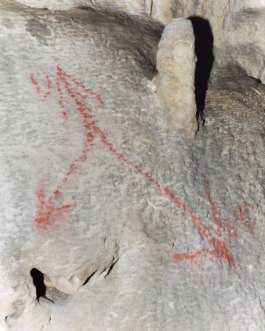


Anyone who descends into the darkness leaves a mark. It is a gesture as old as humanity itself: the hand of the cave painters, and that of those who, in an air-raid shelter, sketched in pencil the bombers they were hiding from. The need to descend is also ancient. Gilgamesh, ‘he who sees into the depths’, enters the darkness in search of eternal life; Orpheus descends to retrieve Eurydice; Persephone is dragged there and returns every spring; Empedocles threw himself into the crater of Mount Etna; and much later, Jules Verne imagines a path to the centre of the Earth. It is the impulse, which Will Hunt captures so well, to want to slip into a hole, to seek a parallel reality underground. This body of work follows him, not into the abyss but into the subsoil that runs just beneath everyday life: calcarenite caves and volcanic cones, rock-hewn churches and catacombs, ritual baths, tanneries, air-raid shelters. Very different places, in fragments, because of a subterranean landscape, one can never see more than a piece at a time.
The first thing the underground offers is a sense of disorientation. It is the most alien landscape on the planet: another world where the eye loses its sense of scale and can no longer tell whether it is looking at a continent, the interior of a body, a mucous membrane or a dried-up seabed. The concretions drip like wax, the calcarenite ripples into furrows that resemble a language never learnt, a wall encrusted with gold and mould until it resembles a painting. Here, measurable space gives way to the lived space of which Otto Friedrich Bollnow wrote, made up of proximity, thresholds and darkness. And yet this strangeness belongs to us: it is the familiar that becomes unknown to us once more. The very same stone room is both cradle and tomb.
It is also a space of subtraction: a cave is the negative of a vanished river, a pit is the mould of an absent body, and where the chisel that carved out a tunnel or an altar has passed, the stone bears the marks of its blows. The underworld, observes Robert Macfarlane, has always performed three tasks: to safeguard what we love, to yield visions and riches, and to make what we fear disappear. The refuge, the oracle and the tomb coexist in the same darkness.
Why, then, do we descend into a place that the body rejects? Underground, we are ill-equipped: blind, prone to claustrophobia, strangers in a darkness for which we are not made. And yet something older than fear draws us downwards: the curiosity to know, to uncover what remains hidden, and at the same time a primitive, almost animal sense of protection, as if the earth, instead of swallowing us up, were welcoming us into a den. Every descent is thus a dual act, of disorientation and of return. And time, which races by on the surface, seems to stand still down there.
It is no surprise that the sacred originated right here. Before the gods of the heavens come those of the earth, and oracles speak from below: one descends to discover what cannot be known in the light. The cave church, with its Madonna slowly being reclaimed by the rock, is one of the many forms of a faith that darkness has always harboured. And the stone does not merely point to the sacred: it seems to contain it.
And yet it is our own world, just a little further down. A volcanic cave is nothing more than a wave of lava halted mid-flow; a calcarenite quarry lies beneath a road travelled a thousand times; a necropolis slumbers within the side of a cliff; a wartime shelter has been dug out, in Ortigia, right beneath a church. The project, still ongoing, begins in Sicily and will traverse the invisible Italy that continues to exist just a few metres beneath our feet, where our memories, myths and fears have their roots.
Thank to all the individuals and organizations that made this project possible: Donato Di Trapani, CUTGANA (University of Catania), Giovanni Sturiale, Sandro Privitera, Marco Vattani, the Syracuse Municipality Film Commission, Iris Leone, the Kamarina and Cava d’Ispica Archaeological Park, the Center for Studies on the County of Modica, Amalia Daniele di Bagni, Paolino Uccello, the Leonardo Sciascia Municipal Library at Casa Professa, the Superintendency for Cultural and Environmental Heritage of Ragusa, the Archdiocese of Syracuse, the Archaeological and Landscape Park of Syracuse, Ambrogio Conigliaro, the Grotta di Carburangeli Integral Nature Reserve, the Municipality of Palermo, Tonino Martelli, and Fujifilm Italia.


Chiunque scenda nell’oscurità lascia un segno. È un gesto antico quanto l’umanità stessa: la mano dei pittori delle caverne e quella di chi, in un rifugio antiaereo, disegnava a matita i bombardieri dai quali si nascondeva. Anche il bisogno di scendere è antico. Gilgamesh, «colui che vede nelle profondità », entra nell’oscurità alla ricerca della vita eterna; Orfeo scende per recuperare Euridice; Persefone vi viene trascinata e vi ritorna ogni primavera; Empedocle si gettò nel cratere dell’Etna; e molto più tardi, Jules Verne immagina un percorso verso il centro della Terra. È l’impulso, che Will Hunt coglie così bene, di voler scivolare in un buco, di cercare una realtà parallela nel sottosuolo. Questo corpus di opere lo segue, non nell’abisso ma nel sottosuolo che scorre proprio sotto la vita quotidiana: grotte di calcarenite e coni vulcanici, chiese scavate nella roccia e catacombe, bagni rituali, concerie, rifugi antiaerei. Luoghi molto diversi, in frammenti, perché in un paesaggio sotterraneo non si può mai vedere più di un pezzo alla volta.
La prima cosa che offre il sottosuolo è un senso di disorientamento. È il paesaggio più estraneo del pianeta: un altro mondo in cui lo sguardo perde il senso delle proporzioni e non riesce più a distinguere se sta osservando un continente, l’interno di un corpo, una membrana mucosa o un fondale marino prosciugato. Le concrezioni gocciolano come cera, la calcarenite si increspa in solchi che assomigliano a una lingua mai imparata, una parete incrostata d’oro e muffa fino a sembrare un dipinto. Qui lo spazio misurabile cede il passo allo spazio vissuto di cui scriveva Otto Friedrich Bollnow, fatto di vicinanza, soglie e oscurità . Eppure questa stranezza ci appartiene: è il familiare che ci diventa nuovamente sconosciuto. La stessa stanza di pietra è al tempo stesso culla e tomba.
È anche uno spazio di sottrazione: una grotta è il negativo di un fiume scomparso, una fossa è lo stampo di un corpo assente, e dove è passato lo scalpello che ha scavato un tunnel o un altare, la pietra porta i segni dei suoi colpi. Il mondo sotterraneo, osserva Robert Macfarlane, ha sempre svolto tre compiti: salvaguardare ciò che amiamo, elargire visioni e ricchezze, e far scomparire ciò che temiamo. Il rifugio, l’oracolo e la tomba coesistono nella stessa oscurità .
Perché, allora, scendiamo in un luogo che il corpo rifiuta? Sottoterra, siamo impreparati: ciechi, inclini alla claustrofobia, estranei a un’oscurità per la quale non siamo fatti. Eppure qualcosa di più antico della paura ci spinge verso il basso: la curiosità di conoscere, di scoprire ciò che rimane nascosto, e allo stesso tempo un senso primitivo, quasi animale, di protezione, come se la terra, invece di inghiottirci, ci accogliesse in una tana. Ogni discesa è quindi un atto duplice, di disorientamento e di ritorno. E il tempo, che scorre veloce in superficie, lì sotto sembra fermarsi. Scendere in cantina, scriveva Bachelard, è già sognare; e perdersi, aggiungeva Rebecca Solnit, è l’unica condizione per diventare veramente presenti.
Non sorprende che il sacro abbia avuto origine proprio qui. Prima degli dei del cielo vengono quelli della terra, e gli oracoli parlano dal basso: si scende per scoprire ciò che non si può conoscere alla luce. La chiesa rupestre, con la sua Madonna lentamente reclamata dalla roccia, è una delle tante forme di una fede che l’oscurità ha sempre ospitato. E la pietra non si limita a indicare il sacro: sembra contenerlo.
Eppure è il nostro stesso mondo, solo un po’ più in profondità . Una grotta vulcanica non è altro che un’onda di lava fermatasi a metà del suo percorso; una cava di calcarenite giace sotto una strada percorsa mille volte; una necropoli riposa all’interno del fianco di una scogliera; un rifugio bellico è stato scavato, a Ortigia, proprio sotto una chiesa. Il progetto, ancora in corso, parte dalla Sicilia e attraverserà l’Italia invisibile che continua a esistere a pochi metri sotto i nostri piedi, dove affondano le radici i nostri ricordi, miti e paure.
Si ringraziano tutte le persone e le realtà che hanno reso possibile questo lavoro: Donato Di Trapani, CUTGANA dell’Università degli Studi di Catania, Giovanni Sturiale, Sandro Privitera, Marco Vattani, Film Commission del Comune di Siracusa, Iris Leone, Parco Archeologico Kamarina e Cava d’Ispica, Centro Studi sulla contea di Modica, Amalia Daniele di Bagni, Paolino Uccello, Biblioteca comunale Leonardo Sciascia in Casa Professa, Soprintendenza Beni Culturali e Ambientali di Ragusa, Arcidiocesi di Siracusa, Parco Archeologico e Paesaggistico di Siracusa, Ambrogio Conigliaro, Riserva Naturale Integrale Grotta di Carburangeli, Comune di Palermo, Tonino Martelli e Fujifilm Italia